Customary Heritage - Indigenous Peoples Land Laws COMPREHENSIVE LIST OF WORLDWIDE NATIVE HERITAGE LAND LAWS BY COUNTRY
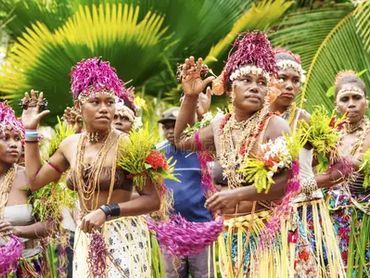
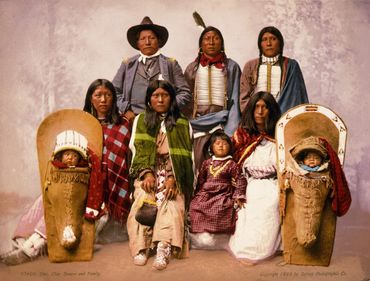
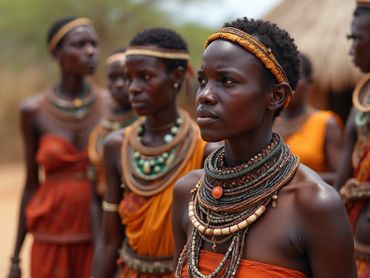
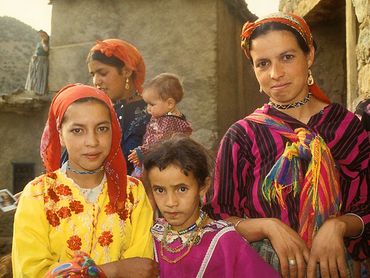
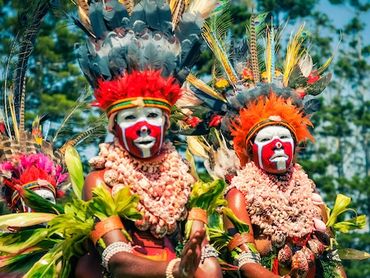


Indigenous Peoples steward an estimated 50% or more of the world's land, including 80% of global biodiversity. Despite this critical role, their land rights face severe threats worldwide. Approximately 90% of land in Sub-Saharan Africa operates under customary tenure systems, yet these systems receive weak legal protection. Indigenous land defenders account for 25% of all attacks on environmental defenders, despite representing only 6% of the global population. This report examines the state of customary heritage lands and indigenous rights globally, documenting violations, legal frameworks, and ongoing challenges.
1. UN DECLARATION ON THE RIGHTS OF INDIGENOUS PEOPLES (UNDRIP) - 2007
• Adopted by 144 countries
• Recognizes indigenous rights to traditional lands
• Requires Free, Prior and Informed Consent (FPIC)
• Not legally binding but morally authoritative
2. ILO CONVENTION 169 - 1989
• Only 24 countries have ratified (as of 2024)
• Legally binding for ratifying states
• Protects indigenous land rights and consultation
• Weak ratification in Africa and Asia
3. UNESCO WORLD HERITAGE CONVENTION
• Recognizes indigenous peoples as heritage stewards
• Requires indigenous participation in site management
• Protects cultural landscapes and sacred sites
4. INTER-AMERICAN HUMAN RIGHTS SYSTEM
• Strongest regional protection framework
• Recognizes customary land tenure as valid property
• Does not require state recognition for validity
Customary Heritage Lands-Indigenous Peoples Land Rights Info
Africa Region

Botswana
Predominantly Tribal Land under Customary Tenure, administered by Land Boards for local communities.
Primary Legislation:
- Tribal Land Act, 1968 (Cap. 32:02) - Repealed and re-enacted in 2018
- Tribal Land Act No. 1 of 2018 (Current version)
- Related Laws:
- State Land Act, 1966
- Tribal Land Regulations, 1970
- Tribal Land (Amendment) Acts of 1982, 1984, 1986, 1994, 2007
Key Provisions: Established Land Boards to administer tribal land; vested all rights and title to tribal land in Land Boards held in trust for citizens.
Cameroon
Extensive Customary and Community Land tenure, particularly in rural and forest areas, recognized alongside statutory land.
Primary Legislation:
- Ordinance No. 74-1 of 6 July 1974 (Land Tenure Ordinance)
- Ordinance No. 74-2 of 6 July 1974 (State Lands Ordinance)
- Decree No. 76-165 of 27 April 1976
Status: Customary and community land tenure recognized in rural and forest areas.
Ghana
About 80% of land held under Customary Tenure by traditional authorities, families, and stools/skins.
Primary Legislation:
- Constitution of the Republic of Ghana, 1992 (Articles 11, 267, 270-277)
- Land Act, 2020 (Act 1036)
- Land Title Registration Act, 1986
- State Lands Act, 1962
- Office of the Administrator of Stool Lands Act, 1994 (Act 481)
- Lands Commission Act, 2008 (Act 767)
- Chieftaincy Act, 1971 (Act 370) as amended
- Land Use and Spatial Planning Act, 2016 (Act 925)
Key Provisions: Article 267 vests stool lands in traditional authorities; approximately 80% of land under customary tenure.
Kenya
Community and Trust Lands governed by customary law, often managed through County Governments and traditional councils.
Primary Legislation:
- Constitution of Kenya, 2010 (Article 63)
- Community Land Act No. 27 of 2016
- Land Act, 2012 (No. 6 of 2012)
- Land Registration Act, 2012 (No. 3 of 2012)
- National Land Commission Act, 2012 (No. 5 of 2012)
- Land (Group Representatives) Act, 1968 - Repealed 2016
- Trust Land Act, 1968 (Cap. 288) - Repealed 2016
Key Provisions: Article 63 recognizes community land; Community Land Act provides framework for registration and protection of customary land rights.
Malawi
Customary Land held by communities under chiefs’ authority, now recognized under the Customary Land Act.
Primary Legislation:
- Customary Land Act, 2016 (No. 19 of 2016)
- Land Act, 2016 (No. 18 of 2016)
- Constitution of Malawi, 1994 (as amended)
Key Provisions: Recognizes customary land held by communities under chiefs' authority.
Morocco
Collective and Tribal Lands (Terres Collectives) governed by traditional community structures and partially recognized by the state.
Primary Legislation:
- Dahir of 27 April 1919 on collective lands (Terres Collectives)
- Law No. 62-17 of 2019 - Reformed collective lands management
- Dahir of 12 August 1913 on land registration
Key Provisions: 2019 reforms expanded women's rights in collective lands (Terres Collectives/Sulaliyyate).
Namibia –
Communal Lands under Customary Tenure, allocated by traditional authorities but held in trust by the state.
Primary Legislation:
- Communal Land Reform Act, 2002 (Act No. 5 of 2002)
- Traditional Authorities Act, 2000 (Act No. 25 of 2000)
- Constitution of Namibia, 1990 (Article 100)
Key Provisions: Communal lands allocated by traditional authorities but held in trust by the state.
South Africa
Customary and Communal Lands include Ingonyama Trust Land in KwaZulu-Natal and other traditional authority areas.
Primary Legislation:
- Communal Land Rights Act, 2004 (Act No. 11 of 2004) - Declared unconstitutional
- Interim Protection of Informal Land Rights Act, 1996 (Act No. 31 of 1996)
- Restitution of Land Rights Act, 1994 (Act No. 22 of 1994)
- KwaZulu-Natal Ingonyama Trust Act, 1994 (Act No. 3 of 1994)
- Traditional Leadership and Governance Framework Act, 2003 (Act No. 41 of 2003)
- Constitution of South Africa, 1996 (Section 25)
Key Provisions: Ingonyama Trust Land in KwaZulu-Natal; customary and communal lands under traditional authority areas.
Tanzania
Village Land system based on Customary Tenure, managed by Village Councils with legal recognition under the Village Land Act.
Primary Legislation:
- Village Land Act, 1999 (No. 5 of 1999)
- Land Act, 1999 (No. 4 of 1999 / Cap. 113)
- Land Registration Act (Cap. 334)
- Constitution of Tanzania, 1977 (as amended)
Key Provisions: Village Land system based on customary tenure managed by Village Councils; recognizes customary rights of occupancy.
Uganda
Customary Tenure recognized under national law, with land often held collectively by clans and families.
Primary Legislation:
- Land Act, 1998 (Cap. 227)
- Constitution of Uganda, 1995 (Articles 237-244)
- Land Amendment Act, 2010
Key Provisions: Article 237 recognizes customary tenure; land held collectively by clans and families.
Zambia
Customary Land covering most rural areas, administered by chiefs and recognized by the Land Act.
Primary Legislation:
- Lands Act, 1995 (Chapter 184)
- Constitution of Zambia (Amendment) Act, 2016 (Article 252)
- Chiefs Act (Chapter 287)
Key Provisions: Customary land administered by chiefs; recognized by the Land Act.
Zimbabwe
Communal Lands under Customary Law, traditionally allocated and managed by village heads and chiefs.
Primary Legislation:
- Communal Land Act, 1982 (Chapter 20:04)
- Traditional Leaders Act, 1998 (Chapter 29:17)
- Constitution of Zimbabwe Amendment (No. 20) Act, 2013
Key Provisions: Communal lands under customary law, managed by village heads and chiefs.
NOTES
International Instruments:
- ILO Convention 169 (Indigenous and Tribal Peoples Convention, 1989)
- UN Declaration on the Rights of Indigenous Peoples (UNDRIP), 2007
- Implementation Status: Laws vary significantly in implementation effectiveness across countries.
- Constitutional Provisions: Many countries have constitutional protections in addition to specific legislation.
- Ongoing Reforms: Several countries have laws under review or amendment processes.
- Regional Variations: Within federal systems, provincial/state laws may also apply.
Compilation Date: December 27, 2025 Sources: Official government gazettes, legal databases, academic publications, international organizations.
DISCLAIMER
This compilation provides a comprehensive overview of native heritage land laws. For legal purposes, consult official government sources and legal professionals. Laws are subject to amendments and court interpretations.
Americas Region
Canada
Indian Reserves, Aboriginal Title Lands, and Indigenous Territories recognized under federal and provincial law.
Primary Legislation:
- Indian Act (R.S.C., 1985, c. I-5)
- Constitution Act, 1982 (Section 35 - Aboriginal and Treaty Rights)
- United Nations Declaration on the Rights of Indigenous Peoples Act (Bill C-15) - Statutes of Canada 2021, c. 14 (Royal Assent June 21, 2021)
- Comprehensive Land Claims Policy, 1986
- Inherent Right Policy, 1995
- First Nations Land Management Act, 1999 (S.C. 1999, c. 24)
Provincial Legislation:
- British Columbia: Declaration on the Rights of Indigenous Peoples Act (DRIPA), 2019
- Various land claims agreements and modern treaties
Key Provisions: Section 35 of Constitution recognizes and affirms Aboriginal and treaty rights; Bill C-15 implements UNDRIP into Canadian law.
United States
Tribal Trust Lands and Indian Reservations held communally under federal authority.
Primary Legislation:
- Indian Reorganization Act, 1934 (25 U.S.C. § 5101 et seq.)
- Indian Self-Determination and Education Assistance Act, 1975 (25 U.S.C. § 5301 et seq.)
- American Indian Religious Freedom Act, 1978 (42 U.S.C. § 1996)
- Native American Graves Protection and Repatriation Act, 1990 (25 U.S.C. § 3001 et seq.)
- Indian Land Consolidation Act, 1983 (25 U.S.C. § 2201 et seq.)
- Alaska Native Claims Settlement Act, 1971 (43 U.S.C. § 1601 et seq.)
Key Provisions: Federal trust lands and Indian Reservations held communally under federal authority.
Mexico
Ejido (communal agricultural land), Indigenous Community Lands, and Ancestral Territories managed through local governance systems.
Primary Legislation:
- Agrarian Law, 1992 (Ley Agraria)
- Political Constitution of the United Mexican States, 1917 (Article 27)
- Federal Law to Prevent and Eliminate Discrimination, 2003
- General Law of Ecological Equilibrium and Environmental Protection, 1988
Key Provisions: Ejido system and Indigenous community lands recognized under Article 27.
Belize
Maya Customary Lands recognized through court rulings and traditional community management.
Primary Legislation:
- Maya Land Rights Act (proposed)
- Recognition through court rulings, including:
- Cal v Attorney General of Belize (2007) - Belize Supreme Court
- Aurelio Cal et al. v AG of Belize (2015) - Caribbean Court of Justice
Key Provisions: Maya customary lands recognized through judicial decisions.
Guatemala
Maya Communal and Ancestral Lands protected under customary law and national frameworks.
Primary Legislation:
- Constitution of Guatemala, 1985 (Article 66-68)
- Municipal Code (Decree 12-2002)
- Law on National Registry of Cadastral Information (Decree 41-2005)
- ILO Convention 169 - Ratified 1996
Key Provisions: Constitutional protection of Maya communal and ancestral lands.
Nicaragua
Indigenous and Afro-descendant Communal Lands recognized under the Autonomy Law for the Caribbean Coast.
Primary Legislation:
- Political Constitution of Nicaragua, 1987 (Article 89, 180, 181)
- Autonomy Law (Law No. 28 of 1987) for Caribbean Coast
- Communal Property Law (Law No. 445 of 2003)
Key Provisions: Indigenous and Afro-descendant communal lands recognized under autonomy framework.
Panama
Comarcas (autonomous Indigenous regions) established for Guna, Emberá, and Ngäbe-Buglé peoples.
Primary Legislation:
- Political Constitution of Panama, 1972 (as amended)
- Law 72 of 2008 - Procedure for awarding collective titles to indigenous lands
- Law 10 of 1997 - Kuna Yala Comarca
- Law 22 of 1983 - Emberá-Wounaan Comarca
- Law 10 of 1997 - Ngäbe-Buglé Comarca
Key Provisions: Comarcas (autonomous Indigenous regions) for Guna, Emberá, and Ngäbe-Buglé peoples.
Colombia
Resguardos Indígenas (Indigenous Reserves) and Afro-descendant Communal Lands constitutionally protected.
Primary Legislation:
- Political Constitution of Colombia, 1991 (Articles 63, 286, 329, 330)
- Law 21 of 1991 - Ratification of ILO Convention 169
- Law 70 of 1993 - Afro-descendant communities
- Decree 2164 of 1995 - Indigenous reserves (Resguardos)
Key Provisions: Resguardos Indígenas and Afro-descendant communal lands constitutionally protected.
Ecuador
TCO/TIOC lands and Comunidades Nativas under collective Indigenous tenure.
Primary Legislation:
- Constitution of Ecuador, 2008 (Articles 56-60, 171, 257)
- Law of Communal Lands and Ancestral Territories (Ley de Tierras Rurales y Territorios Ancestrales)
- Organic Law of Participatory Democracy, 2010
Key Provisions: Constitutional recognition of collective Indigenous tenure; 2022 Constitutional Court ruling strengthened consent requirements.
Peru
Comunidades Nativas and Campesinas owning collective territories recognized by law.
Primary Legislation:
- Political Constitution of Peru, 1993 (Article 89)
- Law of Native Communities and Agricultural Development of the Rainforest and Jungle, 1978 (Decree Law 22175)
- Law of Peasant Communities, 1987 (Law 24656)
- Prior Consultation Law, 2011 (Law 29785)
- Forest and Wildlife Law, 2011 (Law 29763)
Key Provisions: Comunidades Nativas and Campesinas; collective territories recognized by law.
Bolivia
TCO/TIOC (Tierras Comunitarias de Origen) designated as Indigenous communal territories.
Primary Legislation:
- Political Constitution of Bolivia, 2009 (Articles 30, 394-395)
- Law of Reconduction of Communitarian Agrarian Reform, 2006 (Law 3545)
- Framework Law of Autonomies, 2010 (Law 031)
- Consultation and Participation Law (Law of Consultation and Participation of Indigenous Peoples, 2010)
Key Provisions: TCO/TIOC (Tierras Comunitarias de Origen) as Indigenous communal territories.
Brazil
Terra Indígena (Indigenous Lands) and Quilombola lands for Afro-Brazilian communities constitutionally protected.
Primary Legislation:
- Constitution of Brazil, 1988 (Articles 231-232)
- Statute of Indigenous Peoples (Law 6.001 of 1973) - "Indian Statute"
- Decree 1775 of 1996 - Indigenous land demarcation procedures
- Decree 9.010 of 2017 - Transfer of demarcation responsibilities
Key Provisions: Terra Indígena (Indigenous Lands) and Quilombola lands constitutionally protected.
Chile
Indigenous and Ancestral Territories recognized for Mapuche and other Indigenous groups.
Primary Legislation:
- Indigenous Law, 1993 (Law 19.253) - "Ley Indígena"
- Decree 124 of 1985 - Recognition of indigenous lands
- ILO Convention 169 - Ratified 2008
Key Provisions: Recognition of indigenous and ancestral territories for Mapuche and other groups.
Argentina
Indigenous Community Lands and Ancestral Territories recognized under the national Constitution (Art. 75).
Primary Legislation:
- National Constitution, 1994 (Article 75, paragraph 17)
- Law 26.160 of 2006 - Emergency Law on Indigenous Land
- Law 23.302 of 1985 - Indigenous Policy and Support
- Provincial laws - Various
Key Provisions: Constitutional recognition of indigenous community lands and ancestral territories (Art. 75).
Paraguay
Indigenous Communal Territories and Ancestral Lands held by recognized Indigenous peoples.
Primary Legislation:
- National Constitution, 1992 (Articles 62-67)
- Law 234 of 1993 - Statute of Indigenous Communities
- Law 904 of 1981 - Statute for Indigenous Communities
- Law 43 of 1989 - Expropriation for Indigenous Communities
Key Provisions: Indigenous communal territories and ancestral lands constitutionally recognized.
Asia & Pacific Region
Bangladesh
Ancestral and tribal lands recognized in hill and forest regions under customary systems.
Primary Legislation:
- Chittagong Hill Tracts Regional Council Act, 1998 (Act No. 12 of 1998)
- Chittagong Hill Tracts Land Dispute Resolution Commission Act, 2001 (Act No. 17 of 2001)
- CHT Peace Accord, 1997
Key Provisions: Ancestral and tribal lands in hill and forest regions under customary systems.
India
Scheduled and Tribal Areas, forest and community lands protected under the Forest Rights Act (2006).
Primary Legislation:
- Scheduled Tribes and Other Traditional Forest Dwellers (Recognition of Forest Rights) Act, 2006 (Act No. 2 of 2007) - Forest Rights Act (FRA)
- Panchayats (Extension to Scheduled Areas) Act, 1996 (PESA Act)
- Fifth Schedule of Constitution (Scheduled Areas)
- Sixth Schedule of Constitution (Tribal Areas)
Key Provisions: Forest Rights Act recognizes individual and community rights of Scheduled Tribes to forest and community lands.
Nepal
Traditional Kipat (communal lands) and Indigenous territories governed by local customary law.
Primary Legislation:
- Constitution of Nepal, 2015 (Articles 38, 40, 51, 256)
- Local Self-Governance Act, 1999
- Forest Act, 1993 (as amended 2019)
- Land Act, 1964
Key Provisions: Traditional Kipat (communal lands) and indigenous territories governed by customary law.
Pakistan
Tribal and community lands in northern and western regions managed through customary tenure.
Primary Legislation:
- Constitution of Pakistan, 1973 (Article 246)
- Frontier Crimes Regulation, 1901 (FCR) - Partially abolished
- Khyber Pakhtunkhwa Local Government Act, 2013
- Gilgit-Baltistan (Empowerment and Self-Governance) Order, 2009
Key Provisions: Tribal and community lands in northern and western regions under customary tenure.
Sri Lanka
Historic Veddah Indigenous territories and forest-based customary land practices.
Primary Legislation:
- Land Development Ordinance, 1935
- Crown Lands Ordinance, 1947
- Veddah Commission Report, 1990
- 13th Amendment to Constitution (Provincial Councils Act)
Key Provisions: Historic Veddah indigenous territories; forest-based customary land practices.
Malaysia
Malay Reserve Land, Hutan Adat (Customary Forests), and Customary Community Lands under Indigenous customary law.
Primary Legislation:
- Federal Constitution, 1957 (Articles 89, 160)
- Aboriginal Peoples Act, 1954 (Act 134)
- Sarawak Land Code, 1958 (Cap. 81)
- Sabah Land Ordinance, 1930
- National Land Code, 1965 (Act 56/Revised 1965)
- Malay Reservations Enactment of Kedah 1931 (Enactment No. 6 of 1349)
- Malay Reservations Enactment 1930 (Enactment No. 18 of 1930) Malay reservation land | PPT +2
- Works in conjunction with the Kelantan Land Enactment 1938
Key Provisions: Malay Reserve Land, Hutan Adat (Customary Forests), and customary community lands under indigenous law.
Common Restrictions
(Kedah & Kelantan)
Any dealings (transfer, lease, or charge) of Malay Reserve Land must only be in favour of persons or institutions qualified as "Malay" under the respective Enactments. Any such dealings in favour of non-Malays are prohibited and shall be null and void
Both states have their own separate enactments distinct from the Federated Malay States (FMS) Cap 142 which applies to Perak, Selangor, Negeri Sembilan, and Pahang.
Indonesia
Hutan Adat (Customary Forests) and Ancestral Lands formally recognized for Indigenous communities.
Primary Legislation:
- Constitution of Indonesia, 1945 (Article 18B, 33)
- Basic Agrarian Law, 1960 (Law No. 5/1960)
- Forestry Law, 1999 (Law No. 41/1999) as amended
- Village Law, 2014 (Law No. 6/2014)
- Constitutional Court Decision No. 35/PUU-X/2012 (2013) - Recognized customary forests
Key Provisions: Hutan Adat (Customary Forests) and ancestral lands formally recognized for indigenous (adat) communities.
Philippines
Ancestral Domains (Indigenous Peoples’ Lands) protected by the Indigenous Peoples’ Rights Act (IPRA).
Primary Legislation:
- Indigenous Peoples' Rights Act, 1997 (Republic Act No. 8371 / IPRA)
- Constitution of the Philippines, 1987 (Article XII, Section 5)
- Administrative Order No. 1, Series of 1998 (NCIP Rules and Regulations)
Key Provisions: IPRA protects ancestral domains (Indigenous Peoples' Lands); establishes National Commission on Indigenous Peoples (NCIP).
Mongolia
Pastoral customary tenure and community-managed rangelands supporting nomadic livelihoods.
Primary Legislation:
- Law on Land, 2002 (as amended 2021)
- Law on Pasture, 1994
- Constitution of Mongolia, 1992 (Article 6)
- Law on Traditional Land Use Rights of Indigenous Peoples (proposed)
Key Provisions: Pastoral customary tenure and community-managed rangelands for nomadic livelihoods.
Papua New Guinea
About 97% of land under Customary Tenure, owned by clans and governed by traditional systems.
Primary Legislation:
- Constitution of Papua New Guinea, 1975 (Section 53)
- Land Act, 1996 (Chapter 185)
- Land Groups Incorporation Act, 1974 (Chapter 147)
- Customary Land Titles Act (proposed)
Key Provisions: Approximately 97% of land under customary tenure owned by clans; governed by traditional systems.
Solomon Islands
Predominantly Customary Land, held collectively under clan and community authority.
Primary Legislation:
- Constitution of Solomon Islands, 1978 (Section 131)
- Land and Titles Act (Cap. 133)
- Forest Resources and Timber Utilisation Act, 1978 (Cap. 40)
Key Provisions: Predominantly customary land held collectively under clan and community authority.
Vanuatu
All land constitutionally belongs to Indigenous custom owners and descendants.
Primary Legislation:
- Constitution of Vanuatu, 1980 (Articles 71-81)
- Land Leases Act (Cap. 163)
- Custom Family Tribunal Act (Cap. 133)
Key Provisions: Article 73 - All land constitutionally belongs to indigenous custom owners and descendants.
Samoa –
Around 80% of land is Customary, held by extended families and village councils.
Primary Legislation:
- Constitution of Samoa, 1960 (Article 101-109)
- Land Titles Registration Act, 2008
- Village Fono Act, 1990
- Alienation of Customary Land Act, 1965
Key Provisions: Approximately 80% customary land held by extended families (aiga) and village councils.
Fiji
91% of land classified as Native (iTaukei), communally owned under the iTaukei Land Trust Board.
Primary Legislation:
- Constitution of Fiji, 2013 (Section 28)
- iTaukei Land Trust Act, 1940 (Cap. 134)
- Native Land Trust Act (predecessors)
- Land Transfer Act (Cap. 131)
Key Provisions: 91% of land classified as Native (iTaukei), communally owned under iTaukei Land Trust Board.
Tonga
Customary and Noble Lands held under hereditary title within the traditional land system.
Primary Legislation:
- Constitution of Tonga, 1875 (as amended)
- Land Act (Cap. 132)
- Nobles and Chiefs Act
Key Provisions: Customary and Noble lands held under hereditary title within traditional land system.
DISCLAIMER
This compilation provides a comprehensive overview of native heritage land laws. For legal purposes, consult official government sources and legal professionals. Laws are subject to amendments and court interpretations.
Europe & Arctic Region
Middle East - North Africa Region
Norway
Traditional Sámi Lands recognized under the Finnmark Act (2005), granting shared management and protection of Sámi customary rights.
Primary Legislation:
- Finnmark Act, 2005 (Act No. 85 of 17 June 2005)
- Reindeer Husbandry Act, 2007 (Act No. 40 of 15 June 2007)
- ILO Convention 169 - Ratified 1990
Key Provisions: Finnmark Act grants shared management and protection of Sámi customary rights in Finnmark.
Sweden
Sámi Reindeer Herding Areas recognized; the Girjas case (2020) upheld Sámi rights to hunting and fishing.
Primary Legislation:
- Reindeer Husbandry Act, 1971 (SFS 1971:437) as amended
- Constitution of Sweden (Instrument of Government)
- Girjas Sami Village v. Swedish State - Supreme Court Decision 2020
Key Provisions: Girjas case (2020) upheld Sámi rights to hunting and fishing in reindeer herding areas.
Finland
Sámi customary land use in Lapland acknowledged for herding and fishing, though land ownership remains unresolved.
Primary Legislation:
- Act on the Sámi Parliament, 1995 (974/1995)
- Reindeer Husbandry Act, 1990 (848/1990)
- Constitution of Finland, 1999 (Section 17)
Key Provisions: Sámi customary land use in Lapland for herding and fishing; land ownership remains unresolved.
Denmark (Greenland)
All land publicly owned under Home Rule; Kalaallit Inuit hold collective rights to traditional use and resource areas.
Primary Legislation:
- Act on Greenland Self-Government, 2009 (Act No. 473)
- Home Rule Act, 1979 (repealed)
- Mineral Resources Act, 2009
Key Provisions: All land publicly owned under Home Rule; Kalaallit Inuit hold collective rights to traditional use areas.
NOTES
International Instruments:
- ILO Convention 169 (Indigenous and Tribal Peoples Convention, 1989)
- UN Declaration on the Rights of Indigenous Peoples (UNDRIP), 2007
- Implementation Status: Laws vary significantly in implementation effectiveness across countries.
- Constitutional Provisions: Many countries have constitutional protections in addition to specific legislation.
- Ongoing Reforms: Several countries have laws under review or amendment processes.
- Regional Variations: Within federal systems, provincial/state laws may also apply.
Compilation Date: December 27, 2025 Sources: Official government gazettes, legal databases, academic publications, international organizations.
DISCLAIMER
This compilation provides a comprehensive overview of native heritage land laws. For legal purposes, consult official government sources and legal professionals. Laws are subject to amendments and court interpretations.
Oceania & Pacific Region
Middle East - North Africa Region
Middle East - North Africa Region
Australia
Aboriginal Land Rights and Native Title Lands recognized under national laws, affirming Traditional Owners’ ancestral ties.
Primary Legislation:
- Aboriginal Land Rights (Northern Territory) Act, 1976
- Native Title Act, 1993 (Act No. 110 of 1993)
- Aboriginal Land Grant (Jervis Bay Territory) Act, 1986
- Aboriginal and Torres Strait Islander Heritage Protection Act, 1984
- Native Title Amendment Acts (1998, 2021)
Key Provisions: Native Title recognizes and protects aboriginal land rights and traditional ownership.
New Zealand (Aotearoa)
Māori Customary and Freehold Lands protected under the Te Ture Whenua Māori Act 1993.
Primary Legislation:
- Treaty of Waitangi, 1840
- Te Ture Whenua Māori Act, 1993 (Māori Land Act)
- Treaty of Waitangi Act, 1975
- Māori Fisheries Act, 2004
- Marine and Coastal Area (Takutai Moana) Act, 2011
Key Provisions: Te Ture Whenua Māori Act protects Māori customary and freehold lands.
Papua New Guinea
Around 97% of land held under Customary Tenure, owned and managed by clans.
Primary Legislation:
- Constitution of Papua New Guinea, 1975 (Section 53)
- Land Act, 1996 (Chapter 185)
- Land Groups Incorporation Act, 1974 (Chapter 147)
- Customary Land Titles Act (proposed)
Key Provisions: Approximately 97% of land under customary tenure owned by clans; governed by traditional systems.
Fiji
About 91% of land is Native (iTaukei), communally owned and administered by the iTaukei Land Trust Board.
Primary Legislation:
- Constitution of Fiji, 2013 (Section 28)
- iTaukei Land Trust Act, 1940 (Cap. 134)
- Native Land Trust Act (predecessors)
- Land Transfer Act (Cap. 131)
Key Provisions: 91% of land classified as Native (iTaukei), communally owned under iTaukei Land Trust Board.
Samoa
Nearly 80% of land is Customary, held by families (aiga) and governed by matai councils
Primary Legislation:
- Constitution of Samoa, 1960 (Article 101-109)
- Land Titles Registration Act, 2008
- Village Fono Act, 1990
- Alienation of Customary Land Act, 1965
Key Provisions: Approximately 80% customary land held by extended families (aiga) and village councils.
Vanuatu
Constitutionally, all land belongs to Indigenous custom owners and descendants.
Primary Legislation:
- Constitution of Vanuatu, 1980 (Articles 71-81)
- Land Leases Act (Cap. 163)
- Custom Family Tribunal Act (Cap. 133)
Key Provisions: Article 73 - All land constitutionally belongs to indigenous custom owners and descendants.
Solomon Islands –
Mostly Customary and Clan-based Lands, managed collectively under traditional authority.
Primary Legislation:
- Constitution of Solomon Islands, 1978 (Section 131)
- Land and Titles Act (Cap. 133)
- Forest Resources and Timber Utilisation Act, 1978 (Cap. 40)
Key Provisions: Predominantly customary land held collectively under clan and community authority.
Middle East - North Africa Region
Middle East - North Africa Region
Middle East - North Africa Region
Morocco
Extensive Amazigh collective lands (Terres Collectives / Sulaliyyate) managed by tribal councils; 2019 reforms expanded women’s rights.
Primary Legislation:
- Dahir of 27 April 1919 on collective lands (Terres Collectives)
- Law No. 62-17 of 2019 - Reformed collective lands management
- Dahir of 12 August 1913 on land registration
Key Provisions: 2019 reforms expanded women's rights in collective lands (Terres Collectives/Sulaliyyate).
Algeria
Amazigh customary tenure persists in Kabylie and Aurès regions alongside state-controlled land systems.
Primary Legislation:
- Law No. 90-25 of 1990 - Land orientation law
- Dahir of 1916 - Customary lands
- Arch (collective lands) regulations
Key Provisions: Amazigh customary tenure in Kabylie and Aurès regions alongside state-controlled systems.
Egypt
Waqf (Islamic endowment) lands coexist with state and private holdings; Bedouin customary tenure remains strong in Sinai and desert areas.
Primary Legislation:
- Waqf Law No. 48 of 1946
- Law No. 143 of 1981 on Desert Land
- Sinai Development Law
- Constitution of Egypt, 2014 (Article 236)
Key Provisions: Waqf lands and Bedouin customary tenure in Sinai and desert areas.
Jordan
Tribal and Bedouin lands continue under customary systems; Waqf and revived Himā models support communal use.
rimary Legislation:
- Land and Water Settlement Law, 1952 (as amended)
- Badia Development Programme regulations
- Waqf Law
Key Provisions: Tribal and Bedouin lands under customary systems; Waqf and Himā models.
Saudi Arabia
Traditional tribal tenure has declined under state ownership; Himā reserves reintroduced for community land management.
Primary Legislation:
- Land Law, 1968 (Royal Decree M/48)
- Rangeland Management Law, 2015
- Himā reserves framework
Key Provisions: Traditional tribal tenure declining under state ownership; Himā reserves reintroduced.
Turkey
Mix of state and communal lands; historic Waqf and Alevi properties persist, with customary practices in Kurdish regions.
Primary Legislation:
- Land Registry Law No. 2644 of 1934
- Forest Law No. 6831 of 1956
- Foundations Law No. 5737 of 2008 (Waqf)
- Village Law No. 442 of 1924
Key Provisions: Mix of state and communal lands; historic Waqf and Alevi properties; customary practices in Kurdish regions.
DISCLAIMER
This compilation provides a comprehensive overview of native heritage land laws. For legal purposes, consult official government sources and legal professionals. Laws are subject to amendments and court interpretations.
Customary Heritage - Indigenous Peoples - Tribal Land

Stop Theft of Indigenous Lands
Stop Theft of Indigenous Lands
Stop Theft of Indigenous Lands
Scale of the Crisis
Across the world, Indigenous Peoples and local communities collectively hold up to 65% of all land, forming the foundation of global biodiversity, cultural heritage, and sustainable resource management.
Yet, only about 10% of this land is legally recognized as rightfully theirs.
This leaves nearly 40% of the Earth’s sur
Scale of the Crisis
Across the world, Indigenous Peoples and local communities collectively hold up to 65% of all land, forming the foundation of global biodiversity, cultural heritage, and sustainable resource management.
Yet, only about 10% of this land is legally recognized as rightfully theirs.
This leaves nearly 40% of the Earth’s surface — over 5 billion hectares — exposed to illegal land deals, fraudulent sales, and corporate land grabs, often carried out through corruption, weak legal systems, and deceptive investment schemes.
The result is a growing global crisis of dispossession, environmental devastation, and cultural erasure, targeting some of the world’s oldest and most vulnerable communities.
Legal Enforcements
Stop Theft of Indigenous Lands
Stop Theft of Indigenous Lands
RECOMMENDATIONS TO COMBAT LAND SCAMS
1. Legal Recognition –
Accelerate the formal titling, registration, and demarcation of Indigenous and customary lands to secure rightful ownership.
2. Documentation –
Support comprehensive mapping and digital documentation of Indigenous territories to prevent forgery and illegal sales.
3. Enforcement –
S
RECOMMENDATIONS TO COMBAT LAND SCAMS
1. Legal Recognition –
Accelerate the formal titling, registration, and demarcation of Indigenous and customary lands to secure rightful ownership.
2. Documentation –
Support comprehensive mapping and digital documentation of Indigenous territories to prevent forgery and illegal sales.
3. Enforcement –
Strengthen law enforcement and judicial mechanisms to investigate and prosecute fraudulent land transactions.
4. Corporate Accountability –
Mandate due diligence and transparency across corporate and investment supply chains to eliminate links to land grabbing or exploitation.
5. Class Actions –
Enable collective legal actions by victims and landowners to pursue compensation, restitution, and justice for financial and property violations.
Historical Justice
Stop Theft of Indigenous Lands
Historical Justice
Community Empowerment and International Oversight
Community Empowerment –
Strengthen and fund Indigenous-led conservation and land stewardship, ensuring communities have full authority over their ancestral territories and resources.
International Oversight –
Enhance UNESCO and UN monitoring of protected and Indigenous areas, with a focus on
Community Empowerment and International Oversight
Community Empowerment –
Strengthen and fund Indigenous-led conservation and land stewardship, ensuring communities have full authority over their ancestral territories and resources.
International Oversight –
Enhance UNESCO and UN monitoring of protected and Indigenous areas, with a focus on enforcing accountability, exposing treaty violations, and addressing historical and ongoing land theft.
The systematic dispossession of Indigenous lands through fraudulent schemes is a global human rights and environmental crisis.
It demands urgent, coordinated action from governments, corporations, and civil society to restore justice, uphold treaties, and safeguard the planet’s shared heritage.
INDONESIA - MALAYSIA - THAILAND GOVERNMENT CONSTITUTION

INDONESIA Official Government Constitution
Undang-Undang Dasar Negara Republik Indonesia Tahun 1945 (UUD 1945)
— official government PDF (Bahasa Indonesia)
https://bphn.go.id/data/documents/uud_1945.pdf

MALAYSIA Official Federal Constitution
Federal Constitution of Malaysia
Official Link: Malaysia Federal Legislation – Federal Constitution

KINGDOM OF THAILAND Official Constitution
KINGDOM OF THAILAND Official Constitution
Constitution of the Kingdom of Thailand B.E. 2560 (2017)
— official government publication (Parliament / WIPO Lex):
The Parliament/Council of State links for the original Thai PDF
https://www.wipo.int/wipolex/en/text/498624